
Your gateway to timeshare in India


All India Resort Development Association

Industry Awareness Feature
With over a decade of experience in visual storytelling, Kumar Sawan has built a dynamic career leading teams in the production of diverse audio-visual content. His expertise spans multiple genres, including e-commerce, architectural and food photography, documentaries, corporate films, and motion graphics.
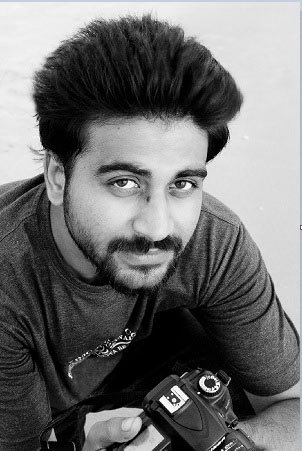
His ability to bring creativity and technical precision together has led to collaborations with esteemed institutions such as the Government of India’s Art and Culture department, the Election Commission of Jharkhand, and USAID—where his work on TB awareness campaigns featured the renowned athlete Deepika.
His portfolio further includes animated films for Times Internet, corporate videos for major brands like Speedhire, Techgig, and Shreyas Yoga Retreat, as well as over 1,000 health-related videos for Doctors Circle, a leading platform in the medical field. Beyond commercial projects, his expertise in wedding, portrait, and event photography has solidified his reputation as a versatile creator. With a deep understanding of composition, lighting, and storytelling, he continues to push the boundaries of visual artistry, capturing moments that resonate with audiences and elevate brands.
What drew you to hotel photography, and how does it differ from other genres of photography you’ve worked on?
Hotel photography is a fascinating blend of architectural precision, lifestyle storytelling, and branding aesthetics. What drew me to this genre was the challenge of capturing spaces in a way that evokes emotion and entices potential guests. Unlike other forms of photography, such as documentary or portrait photography, hotel photography requires a balance between technical mastery—lighting, composition, and staging—and a deep understanding of the hotel’s identity and brand messaging. Each property has a unique personality, and my job is to ensure that it comes through in every image.
When capturing a luxury hotel, what elements do you prioritize to ensure the images reflect the brand's essence and atmosphere?
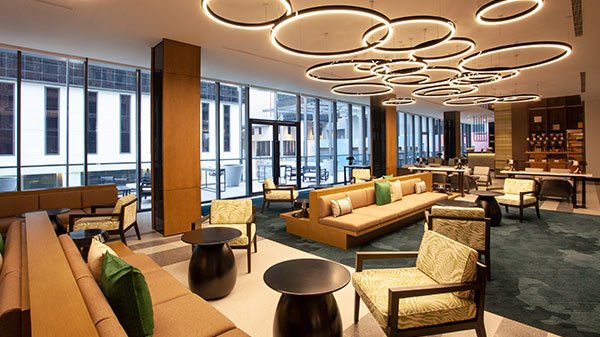
Luxury hotels sell an experience, not just a place to stay. My priority is to highlight the ambiance, architecture, and the refined details that set each hotel apart. The play of natural and artificial light, the elegance of furnishings, and the seamless integration of surroundings all contribute to the essence of the property. Composition is key—I aim to create inviting perspectives that showcase grandeur while maintaining warmth and accessibility. A hotel isn’t just rooms; it’s an experience, and my photography must convey that allure to potential guests.
Can you share a memorable assignment where the location, architecture, or ambiance posed a unique challenge? How did you overcome it?
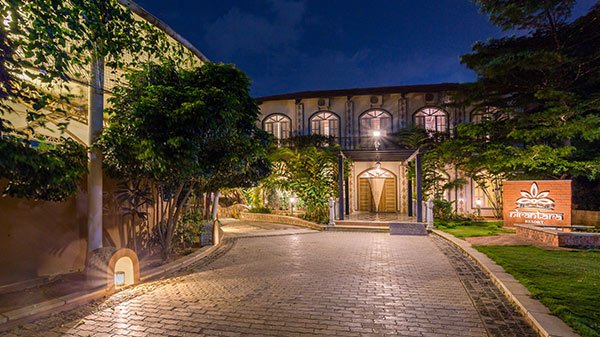
One of the most challenging assignments I had was photographing a heritage hotel that was steeped in history but lacked ample lighting due to its traditional architecture. Since artificial lighting could have taken away from its authentic ambiance, I worked closely with the hotel team to utilize soft, natural light at the best times of day. I also adjusted my post-production workflow to enhance shadows and highlights while maintaining the richness of the textures. The final images beautifully preserved the hotel’s old-world charm, making it one of my most rewarding projects.
Lighting is crucial in hotel photography—how do you work with natural and artificial light to enhance different spaces?
Lighting can make or break an image, especially in hotel photography. Natural light works best for capturing airy, inviting spaces like guest rooms or outdoor lounges, while artificial lighting is essential in dimly lit areas such as restaurants, bars, or conference rooms. I often use a combination of reflectors and diffusers to soften harsh sunlight, while for interior shots, I strategically place external lights to create depth and warmth without overpowering the scene. Understanding the interplay of shadows, highlights, and reflections helps in achieving the perfect balance.
How do you collaborate with hotel management and marketing teams to understand their vision and translate it into compelling visuals?
A successful hotel shoot is not just about aesthetics—it’s about meeting business objectives. Before every assignment, I engage in detailed discussions with hotel managers and marketing teams to understand their promotional goals, target audience, and brand positioning. Whether the aim is to highlight luxury, comfort, or adventure, I tailor my approach accordingly. I also request mood boards or reference images to ensure the final visuals align seamlessly with their marketing strategy. Communication is key, and continuous feedback ensures the best results.
Beyond architecture and interiors, hotel photography often includes lifestyle shots—how do you approach capturing human elements within the space?
Hotels are designed for people, and including human presence in photos makes spaces feel more relatable and aspirational. Whether it’s a couple enjoying breakfast with a scenic view, a guest relaxing by the pool, or a business professional working in a stylish suite, lifestyle shots create an emotional connection. I strive for authenticity—natural expressions, minimal posing, and interactions that feel organic rather than staged. These images give potential guests a preview of the experience they can expect.
Each department calls for a uniquely different approach—how do you prepare yourself for the task?
Every section of a hotel tells a different story, and my approach shifts accordingly. A restaurant shoot focuses on vibrant food styling and intimate, cozy lighting, whereas guest rooms emphasize spaciousness and comfort. Poolside photography requires attention to water reflections and serene compositions, while large lobby areas demand an eye for grandeur and symmetry. To prepare, I study each location, assess its lighting conditions, and visualize the composition before the shoot. Understanding the distinct characteristics of each space is key to capturing them effectively.
With the rise of digital marketing and social media, how has hotel photography evolved to meet new promotional demands?
Hotel photography today is more than just glossy magazine spreads—it’s about creating content that resonates with digital audiences. Short-form videos, social media-friendly images, and dynamic visuals tailored for platforms like Instagram and YouTube are in high demand. The shift toward storytelling-focused photography means that images must feel immersive and aspirational. Additionally, drone photography has become a valuable tool for capturing large properties with unique aerial perspectives, adding a cinematic touch to hotel promotions.
What advice would you give to aspiring photographers looking to break into luxury hotel photography?
Start by understanding the nuances of hospitality branding. Hotel photography isn’t just about technical skill—it’s about telling a compelling story through visuals. Build a portfolio that showcases a variety of hotel spaces, from interiors to lifestyle shots. Networking with hotel managers, architects, and tourism professionals can open doors to opportunities. And finally, keep honing your lighting and composition techniques, as mastering these elements will set your work apart in a competitive industry.
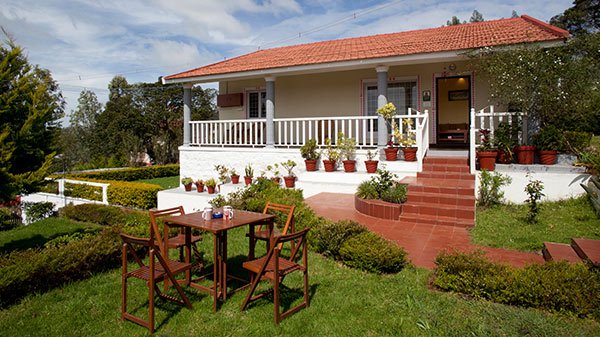
Hotels aim to evoke a feeling of luxury, comfort, and exclusivity—how do you ensure your photos capture the desired mood and storytelling elements?
Mood is everything. A luxury hotel isn’t just defined by its decor but by the emotions it evokes. I focus on angles, lighting, and composition to amplify the intended feeling—whether it’s intimacy in a boutique hotel or grandeur in a five-star resort. Adding details like soft light filtering through windows or candle-lit table settings enhances the warmth. A well-thought-out image can transport viewers into the hotel’s ambiance even before they arrive.
Have there been instances where post-production played a crucial role in elevating your hotel photography?
Absolutely. While I aim to capture the best possible shot in-camera, post-production helps refine the final product. Color correction ensures consistency in branding, while retouching removes distractions such as unwanted reflections or minor imperfections. In some cases, blending exposures is necessary to bring out details in both shadow and highlight areas. The goal is to enhance reality—not alter it—so that the final image looks polished yet authentic.
Hotels often operate in different cultural and geographical settings—how do these factors influence your approach?
Cultural and regional aesthetics play a significant role in hotel photography. A tropical resort might emphasize open-air spaces, lush greenery, and bright colors, while a European heritage hotel may require subdued tones and vintage-inspired compositions. Understanding local architectural styles and cultural sensitivities ensures images feel authentic and aligned with the destination’s identity. By embracing the uniqueness of each property’s location, the final visuals feel more immersive and true to their environment.
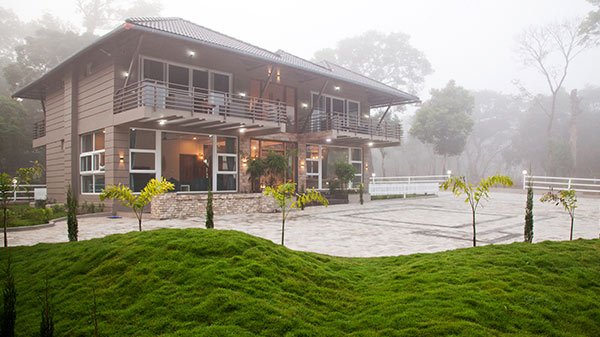
Even in India, cultural and geographical context deeply shape how I approach hotel photography. Each location has its own architectural style, color palette, materials, and cultural essence—all of which I try to honor and highlight through my images. In places like Coorg, where nature is integral to the experience, I focus on incorporating lush landscapes, misty mornings, and earthy tones to reflect the serene, immersive feel of the region. In contrast, photographing a hotel in a coastal area like Kerala might emphasize open spaces, bright natural light, and elements like coconut groves or traditional wooden architecture. I also pay attention to the cultural nuances—the design motifs, locally sourced décor, traditional hospitality rituals, and how space is used.
These details are not just aesthetic; they’re emotional cues that ground the viewer in the place. Collaborating with the hotel team helps me stay sensitive to what should be highlighted or treated with respect. Ultimately, my goal is to visually narrate what makes the property unique within its setting— not just as a hotel, but as a cultural experience.
Useful Links
The images used in this article are for illustrative purposes only and do not constitute an endorsement of any specific products or services from our partners or affiliates. Image source: From the personal portfolio of Kumar Sawan.
 Virtual Tours
Welcome to AIRDA's virtual tours gallery - an initiative to provide an enhanced visual experience of our member properties.


 Membership
What does an AIRDA membership mean to resort owners and developers? AIRDA comes in as your industry partner, conscience keeper and business catalyst - with a wide portfolio of support services.
What does AIRDA mean to holiday seekers and prospective customers? AIRDA comes in to provide information and offer guidelines on making the right timeshare decisions.
