
Your gateway to timeshare in India


All India Resort Development Association

Tourism Industry Feature
Can farm-based tourism become India’s next big holiday experience? This feature is about reimagining rural India through agritourism, entrepreneurship, and community growth.
India has built strong tourism segments around heritage, spirituality, wellness, wildlife, adventure, and vacations in popular tourist locations. Yet a new category is emerging — one rooted in farms, plantations, and rural communities.
Unlike resort-led plantation tours that last a few hours, farm-based tourism is about staying within the plantation itself — waking up to the rhythms of rural life, sharing meals with farming families, and participating in cultivation.
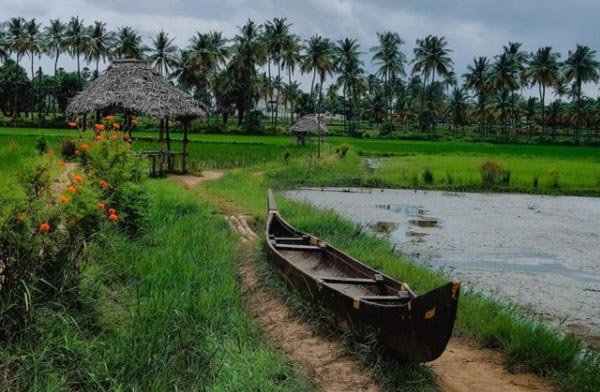
The Rise of Experience-Driven Travel
Across the world, travelers are increasingly seeking authenticity and local connections. The need to connect with your roots is visible among urban families looking for weekend escapes, parents wanting children to understand where food comes from, and professionals searching for a break from city life. A farm in India offers precisely this kind of engagement, where food, nature, culture, and everyday life intersect.
Combined with culinary traditions, local festivals, crafts, and community life, this opportunity creates an extraordinary portfolio of experiences. Travelers could experience entirely different agricultural cultures by moving from one state to another.
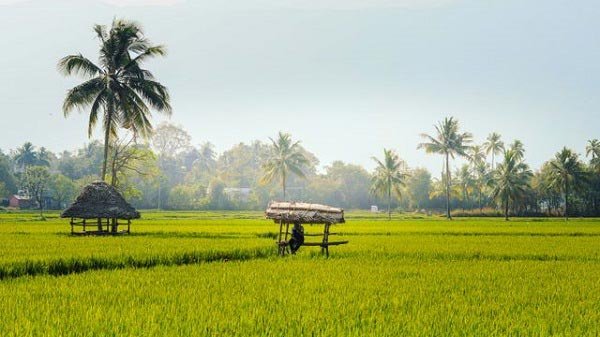
Kerala has already pioneered this model. Its small farms and spice plantations welcome guests into homestays, offer farm-to-table dining, and bring visitors close to a typically rural setting. Here, vast paddy fields, traditional farming practices, and heritage landmarks come together to create a distinctive visitor experience.
Coorg, in Karnataka, with its homestay culture set amidst coffee plantations, has also demonstrated the appeal of living within a working estate. Together, Kerala and Karnataka illustrate how grassroots initiatives can be scaled with structured partnerships and investment.
The opportunity now lies in expanding this model beyond small-scale homestays, with larger players and organized hospitality partners willing to invest in immersive farm-stay experiences. This shift could transform isolated initiatives into a mainstream category within India’s tourism basket.
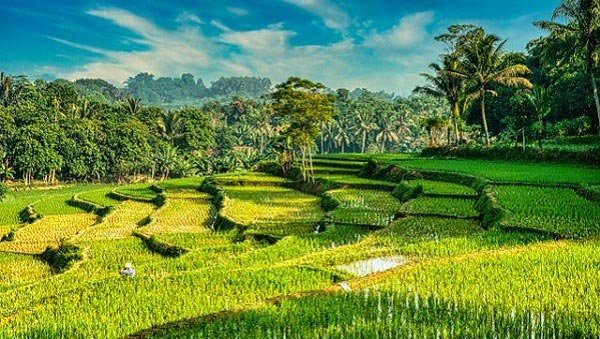
Beyond Agriculture: A Second Income Stream
For generations, agricultural income has depended on crop yields, market prices, and weather conditions. Agritourism offers a supplementary stream linked not to production alone, but to experiences. Farming families can generate revenue through accommodation, cuisine, guided tours, workshops, farm activities, product sales, and educational visits. Instead of relying exclusively on agricultural markets, farmers gain access to the growing experience economy.
Importantly, farm‑stays can be designed to complement rather than disrupt a farmer’s natural cycle of activities, ensuring that core agricultural focus remains intact.
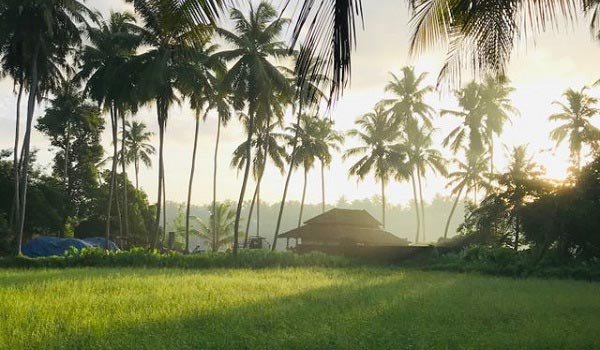
Beyond Tourism: Rural Economic Development
Ultimately, the idea is larger than tourism. It is about creating new economic possibilities for rural India while sharing authentic rural experiences with the world. When farms generate income from both agriculture and tourism, resilience improves. When visitors spend money in villages, local businesses grow. When young people see viable opportunities in rural entrepreneurship, migration pressures ease. Tourism becomes not merely a source of revenue, but a catalyst for inclusive rural development.
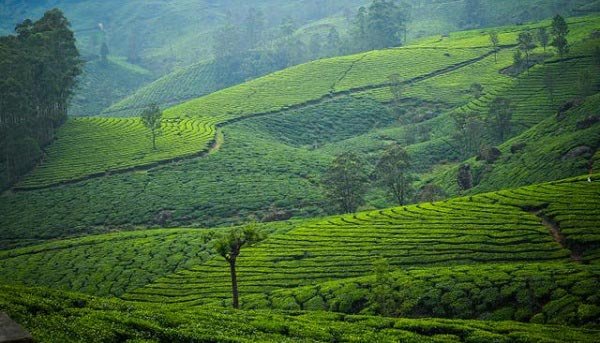
Creating destinations of learning, connection, and culture
India has long invited the world to discover its monuments, temples, mountains, coastlines, and destinations in popular tourist locations. The next chapter may lie closer to the soil. By bringing together farmers, hospitality, tourism, funding, and marketing support under a unified vision, India can promote its farming communities and help them become destinations of learning, connection, culture, and opportunity.
In doing so, the country would not simply add another category to its tourism basket, but create a new model of growth rooted in the strength of its farming communities.
The All India Resort Development Association is a self-regulated, independent advisory dedicated to the timeshare and vacation ownership industry. AIRDA’s primary members are resort owners, who benefit from AIRDA’s constructive sharing of ideas and strategies on the running and promotion of timeshare. All members are governed by a common Code of Conduct - AIRDA works closely with member resorts to cut a clean image in the industry and offer fair value to end customers.
USEFUL LINKS
AIRDA WebsiteImage Credits: pexels-alan-george-939850-33013632 * pexels-jomon-kollannoor-337112572-30778657 * pexels-tomfisk-5319563 * pexels-vinod-thayat-253086382-12518599 * pexels-wink-photography-1755044408-29280001. Images used in this article are for illustrative purposes only and do not constitute an endorsement of any specific products, services, or offers from our members or affiliates.
 Virtual Tours
Welcome to AIRDA's virtual tours gallery - an initiative to provide an enhanced visual experience of our member properties.


 Membership
What does an AIRDA membership mean to resort owners and developers? AIRDA comes in as your industry partner, conscience keeper and business catalyst - with a wide portfolio of support services.
What does AIRDA mean to holiday seekers and prospective customers? AIRDA comes in to provide information and offer guidelines on making the right timeshare decisions.
