Issue #5 / January 2026

The World of AIRDA

News, Views & Interviews from the world of timeshare & vacation ownership

Welcome to the AIRDA Newsletter

Greetings from the All India Resort Development Association. As we bring you this latest edition of our newsletter, we take you along a journey that explores new ideas, evolving trends, and strategic insights from India’s vacation ownership and leisure travel space. Whether you're a long-standing member or a resort exploring AIRDA affiliation, this newsletter is your window into a sector that’s adapting, innovating, and growing with purpose.

Each issue is designed to inform and engage stakeholders across the board—resort owners, associates, investors, and policy advocates—who are shaping the future of timeshare and experiential hospitality. We also extend a warm welcome to resorts considering membership, offering a glimpse into the conversations, collaborations, and best practices that define the organized sector in vacation ownership.

Here’s what we’ve lined up for you:

  • Industry News – Key updates and observations from the broader landscape of timeshare and hospitality
  • Feature Stories – In-depth perspectives on resort operations, sustainability, and emerging hospitality models
  • Member Updates – News, initiatives, and community highlights from our member network

We hope this edition sparks ideas, invites reflection, and helps you stay connected to a sector that’s evolving with transparency and responsibility.

 Editorial Note: The terms timeshare and vacation ownership are used interchangeably in this article, referring to the same model within the hospitality industry.


Mixed-Use Hospitality Formats in Timeshare

Views from a leading timeshare exchange company

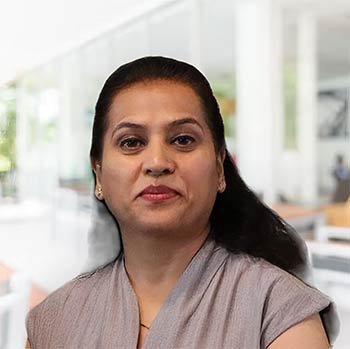
Simple Bharti

Business Development Lead
India & Subcontinent at RCI


As the Indian hospitality sector adapts to shifting travel patterns and economic pressures, timeshare companies are exploring mixed-use formats to optimize occupancy, diversify revenue streams, and future-proof their operations. These hybrid models—blending timeshare, hotel inventory, fractional ownership, and short-term rentals—offer greater flexibility in managing seasonal demand, workforce stability, and resource utilization.

A key enabler in this evolving landscape is the role of exchange companies, which connect timeshare members to a broader network of resorts and destinations. By facilitating access and expanding choice, exchange platforms enhance the value proposition for members while supporting regional tourism and operational resilience. This article explores how mixed-use strategies, supported by exchange mechanisms can work to your advantage—and how they can be scaled responsibly to protect member interests and foster inclusive growth.

  1. Revenue Resilience During Lean Periods
    • Mixed-use formats allow resorts to open up unused inventory to short-term guests or corporate bookings during off-peak seasons.
    • Dynamic pricing and flexible inventory allocation help stabilize cash flow and reduce dependency on peak-season earnings.
  2. Optimizing Facilities and Shared Resources
    • Shared amenities—spas, restaurants, activity centers—can be better utilized across guest segments, improving ROI.
    • Operational efficiencies in energy use, staffing, and maintenance contribute to sustainability and cost control.
  3. Sustaining Workforce Numbers Year-Round
    • Consistent occupancy through mixed-use models supports stable employment and reduces seasonal layoffs.
    • Staff retention, training continuity, and morale benefit from predictable demand and diversified guest profiles.
  4. Protecting Member Access and Investment Value
    • Maintaining fair access for primary timeshare members remains essential to uphold trust and long-term value.
    • Transparent allocation policies and member-first booking windows reinforce the integrity of the timeshare promise.
  5. Expanding the Ecosystem: The Role of Timeshare Exchange Companies
    • Global exchange networks such as RCI play a pivotal role by enabling seamless access, managing booking systems, and upholding consistent quality and service standards across affiliated resorts.
    • For members, this means broader destination choice, enhanced value, and travel flexibility through exchange participation.
    • For resorts, it opens up a new revenue stream and visibility within a trusted guest ecosystem—supporting regional tourism and cross-brand collaboration.
    • As a pioneer in global vacation exchange, RCI continues to work with industry partners to expand choice, strengthen member trust, and support the sustainable growth of shared-ownership hospitality in India.
  6. Strategic Outlook: Building a Flexible, Inclusive Hospitality Model
    • Mixed-use formats could redefine resort development in India, aligning with digital platforms, loyalty programs, and sustainable tourism goals.
    • Exchange companies will be instrumental in shaping this future—bridging gaps between independent resorts and timeshare networks, and fostering a more adaptable, collaborative hospitality ecosystem.

Simple Bharti leads Business Development at RCI India, driving strategic partnerships and market expansion through tailored travel solutions. With senior expertise across hospitality and real estate, she has held leadership roles at Godrej Properties, Mahindra Holidays, Sterling Holiday Resorts, and Press Trust of India.

Simple Bharti on LinkedIn 

 Editorial Note: The terms timeshare and vacation ownership are used interchangeably in this article, referring to the same model within the hospitality industry.


Is the timeshare model entering a phase of reinvention?

The need to gather insights to make informed decisions

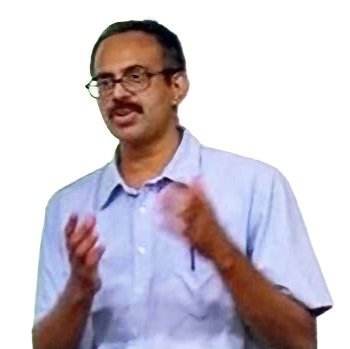
Ashok R Sankethi

CEO, Kaybase

The timeshare (vacation ownership) model is entering a phase of quiet reinvention—especially with emerging customer profiles such as younger, experience-driven travelers and multi-generational families who are reshaping expectations around flexibility, value, and ownership.

A key trend is the growing preference for mixed-use hospitality formats, which blend timeshare, hotel, and fractional ownership models to optimize room occupancy and operational agility. Market research professionals watching this vertical would be interested in how developers are responding to mixed market signals—balancing optimism around domestic travel with caution about long-term investment. There is also a growing need to understand how timeshare in India might reconstruct itself to stay relevant, resilient, and aligned with new consumer realities.

Factors driving change in leisure and holiday travel
  1. Sharply rising purchasing power and disposable income.
  2. A mindset of “spend now, keep earning for a long time”.
  3. Changing attitudes about holiday travel companions.
  4. A sharp rise in religious sentiment and religious tourism.

While the leisure sector has caught on to the first three trends, it has yet to fully grasp the extent to which even corporate professionals are showing increased interest in religious tourism. The government seems to have noticed this trend more quickly than the private sector. Money is no object for these travelers, and the number of such destinations and holidaymakers is growing almost exponentially.

Families, groups of friends, and even solo travelers are increasingly part of this movement.

Signals from the market: Growth or flux?

To assess present data, we need to consider:

  • Sales volumes.
  • Occupancy rates.
  • Consumer sentiment.

Every few months, the business climate shifts, and consumption patterns change. Indicators such as rural market consumption have traditionally been reliable predictors of economic growth. However, in holiday travel, the top four or five socio-economic groups have reached a level of financial comfort that allows them to maintain their lifestyle even under economic pressure.

This is somewhat like an earlier era when the middle class did not reduce consumption of items such as shampoo, because the cost was negligible compared to income.

  • Today, the cost of a four- or five-day holiday is very low compared to the annual income of these top socio-economic groups.
  • More importantly, since India has such a large population, these groups are significant in absolute numbers, even if small in proportion.
Challenges in reconstructing the timeshare narrative

We now stand at a crucial point where legacy perceptions, regulatory hurdles, and the need for consumer education must be addressed. Trust, transparency, and flexibility are becoming key differentiators.

Two key questions arise:

  1. Is timeshare still relevant, however much the model has changed?
    • Encouraging people to take holidays regularly.
    • Providing a good experience.
    • Protecting the pocket.
  2. Is “protecting the pocket” still relevant? Do people really need encouragement to take regular holidays anymore?

If these promises are no longer compelling, then why timeshare? Cost-conscious consumers may find timeshare pricing too high. Innovative destinations may provide a partial answer—destinations otherwise outside the purchasing power of even the affluent. (If I may permit myself to be fanciful: one day every year at Buckingham Palace?)


Ashok Sankethi brings over 30 years of expertise in market research and management education, with leadership roles at ACNielsen Sri Lanka and ORG-MARG South India. An IIM Bangalore alumnus, he has taught at IIT Madras, IFMR, and IIM Lucknow, mentored PhD scholars, and co-authored Kay’s Book of MR, India’s first case study collection in market research. He now leads Kaybase, a Chennai-headquartered research and analytics firm with global teams delivering consumer-insight-driven solutions for stronger decision-making and customer loyalty.

KBase website 

 Editorial Note: The terms timeshare and vacation ownership are used interchangeably in this article, referring to the same model within the hospitality industry.


Member Spotlight

India’s First All-Women-Led Resort Sets New Standards in Hospitality

Club Mahindra Holidays has transformed its Acacia Palms Resort in Goa into India’s first all-women-led resort — a pioneering step towards workplace inclusion and gender diversity in the hospitality sector. This initiative reflects a conscious commitment to creating opportunities where women can lead across every function — right across management, technical, and operational roles.

At Acacia Palms, women professionals anchor every department. From engineering and security to food production, guest services, and horticulture, the resort operates seamlessly under their stewardship. Guests experience the same warmth and precision they expect from a world-class resort, while behind the scenes, women are redefining what leadership looks like in hospitality.

As Manoj Bhat, MD & CEO of Mahindra Holidays, shared: “Our Acacia Palms Resort is a true reflection of our commitment to gender diversity, inclusion, and women’s empowerment. This project is not symbolic — it is a blueprint for meaningful change in the hospitality industry.”

The resort’s thriving organic garden is a highlight of this transformation. Chefs handpick fresh local produce — red amaranth, spinach, beans — to craft farm-to-table culinary experiences. Regional recipes, prepared by women chefs trained in both technique and tradition, bring authenticity and sustainability to the dining table, offering guests a deeper connection to local culture.

For many team members, Acacia Palms is more than a workplace. It is a platform for growth and leadership. A technician trained in electrical systems now leads daily maintenance checks and mentors junior staff. A horticulturist, once confined to seasonal work, curates the resort’s gardens with expertise and creativity. A career aspirant who began in housekeeping now manages guest services and trains new recruits. These journeys demonstrate how trust and opportunity can reshape careers, turning job titles into pathways for long-term professional development.

This initiative sets a precedent for the wider industry. By moving beyond tokenism, Acacia Palms embraces equitable hiring, community partnerships, and career progression as core values. It signals a shift towards resilient, future-ready tourism where inclusion is not an afterthought but a guiding principle.

Guests at Acacia Palms don’t just enjoy a stay — they engage with a story of empowerment. The resort hums to life each morning with quiet precision, powered by women who lead without limits. Their collective effort redefines hospitality, showing that when women are trusted to lead, they build systems that last and experiences that resonate.

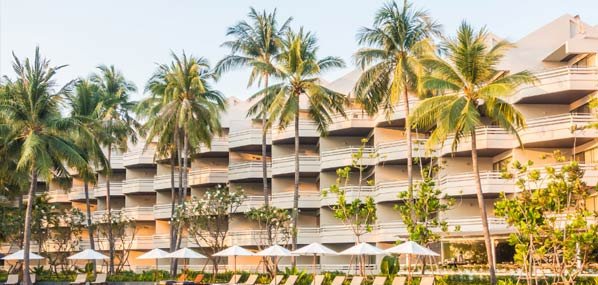
Club Mahindra leads with inclusion: Acacia Palms in Goa now run entirely by women 



Views, Interviews & Insights


Industry Update

AIRDA JOINS THE BOARD OF DIRECTORS OF FAITH

The All India Resort Development Association (AIRDA) is pleased to share that we have officially joined the Board of Directors of the Federation of Associations in Indian Tourism & Hospitality (FAITH) with effect from 1st November 2025. With our induction, the total number of FAITH member associations now stands at eleven.

Mr. Rajiv Mehra, General Secretary of FAITH, recently announced that our Chairman, Mr. Vikram Lalvani, will represent AIRDA as a Board Member of FAITH.

We thank FAITH for the warm welcome and look forward to contributing our insights and collaborative efforts as part of the collective mission to strengthen and advance India’s travel, tourism, and hospitality ecosystem.

FAITH website 

FAITH Association Members 


Upcoming Events

India International Travel Mart

Persistently Striving to Strengthen the Travel & Tourism Community

Kochi
January 08-10, 2026

Kolkata
February 12-14, 2026

Ahmedabad
March 20-21, 2026

IITM has been persistently organizing travel-trade exhibitions and events, giving exhibitors & attendees opportunities to cultivate a cordial and inspiring ambiance for B2B and B2C interactions.

Visit event website


Outbound Travel Mart

The Gateway to India's Travel Markets

Mumbai
February 05-07, 2026

OTM is the Leading Travel Trade Show in Asia bringing together the people who matter most in travel, decision-makers, buyers, and global brands under one roof. Backed by one of the strongest hosted-buyer programmes in Asia, it’s where business gets done and partnerships are built. OTM, consecutively for two years is certified as the “Leading Travel Trade Show in India and Asia”, in a customised study by NielsenIQ.

Visit event website

South Asia's Travel & Tourism Exchange

SATTE is South Asia’s leading travel and tourism exhibition

Delhi
February 25 -27, 2026

SATTE stands as South Asia’s largest and most trusted travel and tourism exhibition. With a 32-year legacy, SATTE brings together exhibitors, buyers, tourism boards, policymakers, and innovators on one powerful platform enabling collaboration, knowledge-sharing, and future-ready growth for the entire travel ecosystem.

Visit event website


Internationale Tourismus-Börse

The World’s Leading Travel Trade Show

Berlin
March 03-05, 2026

Since 1966, ITB Berlin has been the leading platform for the global travel and tourism industry. Under the motto "Discover the stories behind 60 years of legacy" ITB Berlin 2026 once again expects exhibitors and trade visitors from all over the world to a very special edition this year. ITB Berlin will celebrate its 60th anniversary in March 2026.

Visit event website


Travel & Tourism Fair

India's Biggest Travel Trade Show Network

Bengaluru
March 13-15, 2026

Chennai
March 20-22, 2026

The TTF series is India's oldest and largest travel trade show network, which aims to provide effective marketing platforms to promote tourism in 8 major travel markets across India, including Kolkata, Ahmedabad, Delhi, Hyderabad, Patna, Mumbai, Bengaluru, and Chennai

Visit event website

Hotel Investment Conference – South Asia

Mumbai
April 08-09, 2026

The theme of this edition, “Leadership in a World on Fire,” underscores the urgent need for bold, resilient and visionary leadership in an era defined by rapid global transformation, climate concerns, shifting consumer expectations and technological disruption. It calls attention to the growing need for leaders who can navigate volatility while remaining grounded in purpose.

Visit event website


News from Media Circles

Circulars & Guidelines

ABOUT AIRDA

AIRDA is an independent industry-focused body dedicated to timeshare and vacation ownership in India. Our primary members are resort owners who benefit from AIRDA’s constructive sharing of ideas and strategies on the running and promotion of vacation ownership and mixed-use platforms. What underlines AIRDA’s role in the industry is our guideline on fair practices and a common Code of Conduct applicable to all members.

With a balanced end-customer focus, we also provide news, information, and industry updates through our website, blog, and social media feeds. AIRDA also represents the industry within government circles - on policy issues that could benefit resort owners, nearby communities, and customers. Essentially, we hold a mirror at decision-making levels to help visualize an organized sector in India’s timeshare and vacation ownership space.

 Editorial Note: The terms timeshare and vacation ownership are used interchangeably in this article, referring to the same model within the hospitality industry.